How interchangeable bands transformed one piece of wearable technology into a wardrobe of fashion accessories—and what brands should learn from it.
By Nadia Doiron | The Nadia Edit
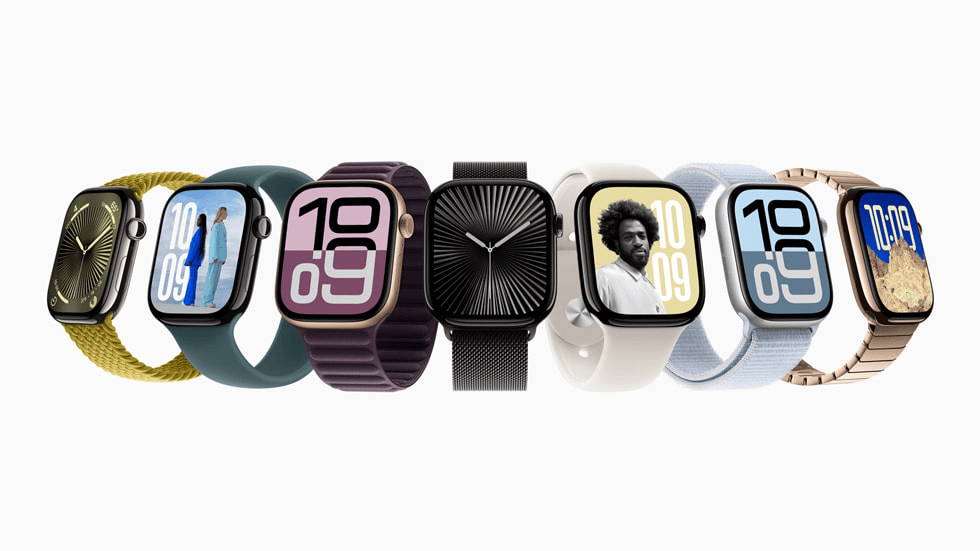
All Different Kinds of Apple Watches image from apple.com
When most consumers think about the Apple Watch, fitness tracking, notifications, and health features probably come to mind first. Yet the product’s most influential fashion feature may be much simpler: the band can be changed in seconds. That small design decision allows one device to move between a workout, a lecture, an office, and a formal event without being replaced. A neon sport band can make the watch feel athletic; a polished metal bracelet can make the same screen look like jewelry. For fashion executives, this is more than customization. Apple Watch bands demonstrate how modular product design, strategic collaborations, and material storytelling can turn technology into a recurring accessories business.
The larger lesson is that consumers do not wear technology in a visual vacuum. A smartwatch sits directly on the body, where its color, scale, material, and brand associations become part of an outfit. The band is therefore not merely the component that holds the device in place. It is the fashion interface between the consumer and the technology.
The Apple Watch Is Both Technology and Fashion
Academic research supports what consumers already communicate through their purchases: appearance matters when technology is worn on the body. Choi and Kim’s study, Is the Smartwatch an IT Product or a Fashion Product?, found that enjoyment, self-expressiveness, and the desire for uniqueness helped explain consumers’ intentions to use smartwatches. In other words, people do not choose wearable technology only because of what it does. They also consider what it says about them.
Dehghani and Kim reached a similar conclusion in their research on smartwatch design, size, and uniqueness. Among the factors they studied, design aesthetics had the strongest influence on behavioral intentions for both existing and potential smartwatch users. More recent research by Basha, Aw, and Chuah also found that visual aesthetics and lifestyle congruence contribute to the value consumers perceive in smartwatches.
These findings matter to fashion executives because they reposition the smartwatch. It competes not only with other electronics but also with watches, bracelets, and other identity-building accessories. The consumer may buy the watch for utility, but a band can determine whether the device actually fits into her wardrobe and remains on her wrist.
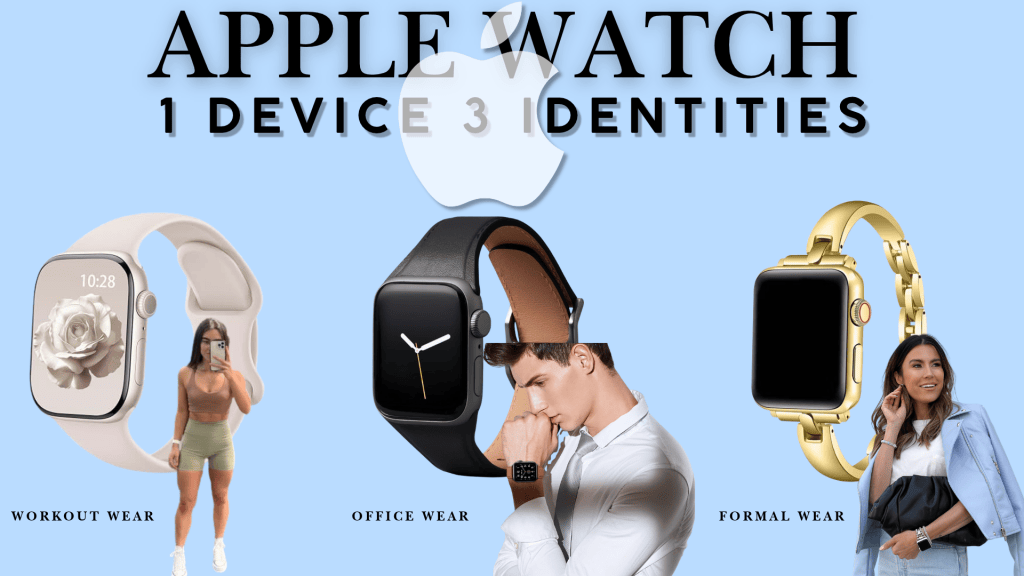
Three outfits style the same Apple Watch with athletic, professional, and formal bands by Nadia Doiron using CANVA
One Device Can Support an Entire Band Wardrobe
Traditional watches are usually designed as complete objects. The face, case, and strap work together to express one relatively stable identity. Apple separated those elements. Because the band is removable, the hardware becomes a neutral platform that can repeatedly take on new aesthetics.
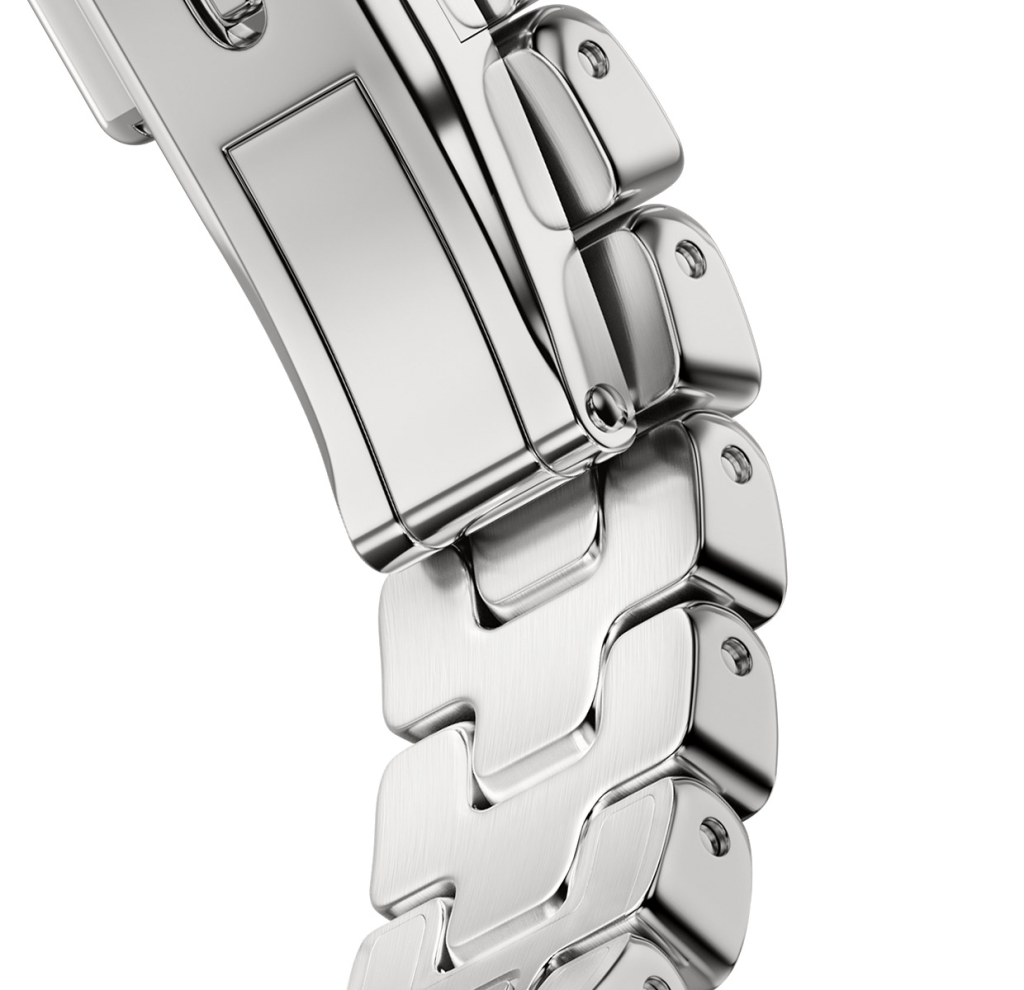
Apple’s current Apple Watch band assortment is organized much like a fashion accessories collection. Shoppers can browse by material, band type, color, case size, and collaboration. The selection includes Sport Bands, braided loops, stainless-steel bracelets, titanium styles, Nike products, and Hermès designs. This range acknowledges that one consumer can occupy several style identities within the same week.
Independent fashion options extend the wardrobe even further. Wirecutter’s guide to fancy Apple Watch bands for dressier styling evaluates jewelry-like designs from brands such as Posh Tech, Quince, Machete, and Shinola. Its broader guide to comfortable and stylish Apple Watch bands considers third-party alternatives for different preferences and activities. Together, these sources reveal a market that behaves more like fashion than consumer electronics: consumers compare texture, silhouette, color, occasion, comfort, and styling versatility.
For brands, the commercial advantage is clear. The watch may be purchased once every several years, but bands can be bought seasonally, collected in multiple colors, replaced after wear, or selected for specific occasions. The interchangeable format creates repeat purchases without requiring the consumer to replace the expensive core product.
Hermès Proves That the Band Can Carry Luxury Value
The Apple Watch Hermès partnership is the strongest real-world example of a technology company using fashion codes to elevate a wearable. The collaboration does not hide the device’s technological identity. Instead, it surrounds that technology with Hermès materials, motifs, craftsmanship narratives, and controlled distribution.
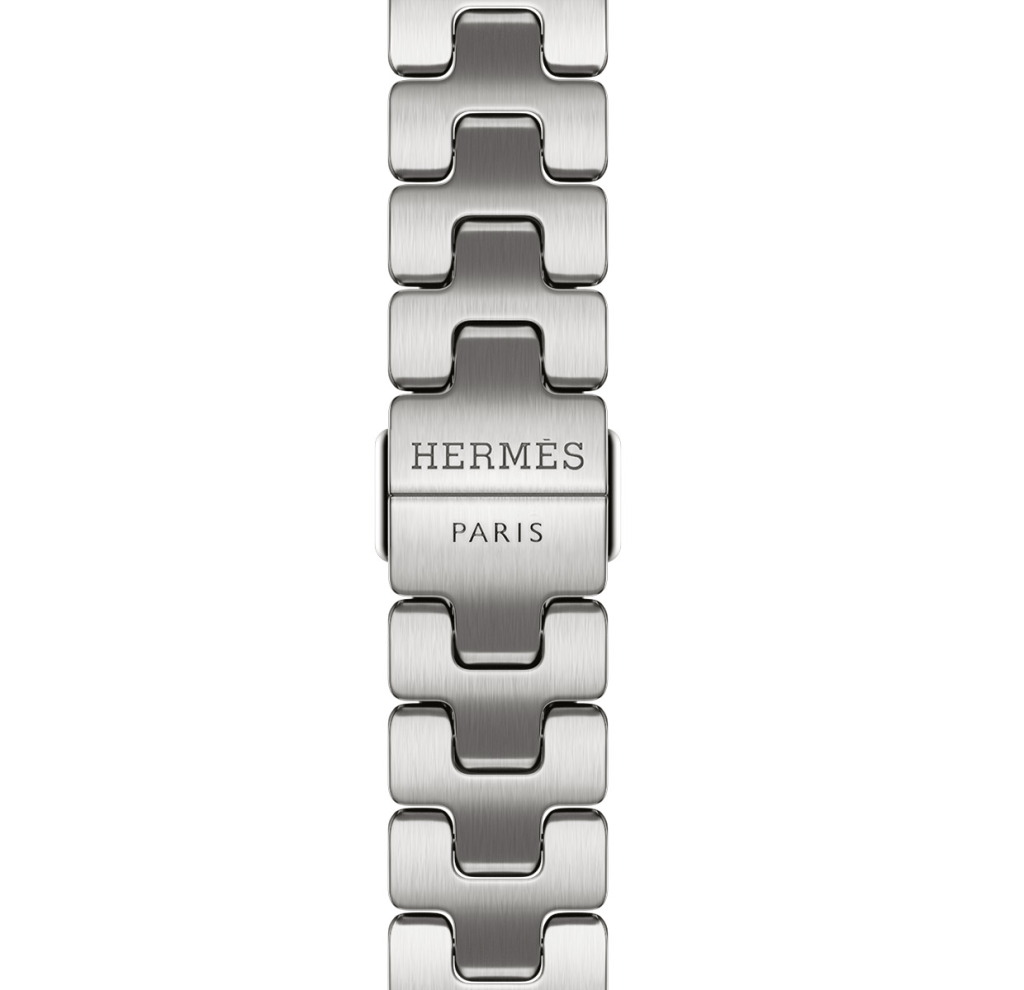
The current Apple Watch Hermès collection includes bands that reference different fashion and lifestyle worlds. The Rocabar Club uses knit construction and equestrian-inspired striping. Kilim combines waterproof rubber with an interlocking “H” motif. The Grand H interprets a traditional metal-link watch bracelet, while the Satin Clou de Selle uses sheen and signature hardware to move the watch into an evening context. Hermès describes the interchangeable band as the element that transforms the technological product into an object of adornment.
That transformation has measurable symbolic value. The standard Apple Watch and the Hermès version may share core technological functions, but the collaboration introduces heritage, exclusivity, recognizable design codes, and luxury pricing. On Hermès’s U.S. site, many individual bands are listed around $499, while complete Apple Watch Hermès models can rise well above $1,000 depending on the case and band combination. The consumer is not paying only for a functional strap. She is purchasing entry into two brand worlds at once.
For executives, the partnership demonstrates what a successful fashion-technology collaboration requires:
- Distinctive brand codes: The Hermès “H,” equestrian references, hardware, colors, and materials remain recognizable.
- Product integration: Exclusive watch faces visually connect the screen to the physical band.
- Multiple use occasions: Sporty rubber, woven textiles, satin, and metal serve different wardrobes.
- Long-term consistency: The collaboration has developed across multiple product generations instead of operating as a single novelty drop.
The result feels more credible than simply placing a designer logo on standard hardware. Hermès contributes design language, not just name recognition.
Materials Communicate Both Function and Fashion
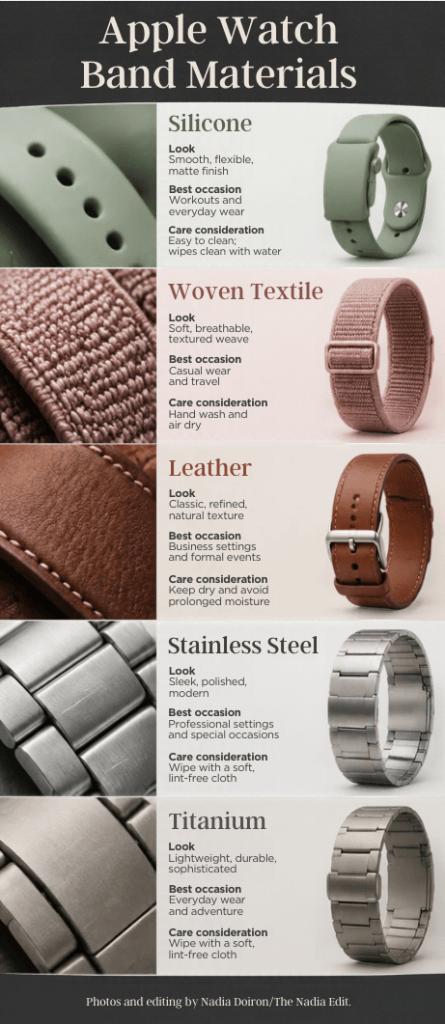
Band material determines how the watch looks, but it also affects comfort, durability, care, and occasion. According to Apple’s guide to materials used in its watch bands, current and previous styles have incorporated silicone, fluoroelastomer, nylon, polyester, spandex, stainless steel, titanium, leather, polyamide yarn, magnets, and other components. That variety allows the band category to borrow from sportswear, jewelry, traditional watchmaking, and leather goods.
Material choice must therefore begin with the intended customer experience. A smooth silicone band can be practical for activity and moisture, but its sporty appearance may feel too casual with eveningwear. Stainless steel adds shine and visual weight, yet Apple advises that its stainless-steel bands are not intended for workouts or water exposure. Leather conveys tradition and refinement, but it also requires more careful use and introduces animal-welfare and sourcing questions. Textile bands may feel lighter and more expressive, although weave quality, staining, and long-term wear still matter.
Fashion brands entering this category should resist treating the connector as the entire product-development challenge. A band must secure valuable technology to the body while tolerating movement, friction, sweat, repeated fastening, and contact with skin. Colorfastness, clasp security, adjustability, hardware finish, and compatibility are as important as trend relevance. This is fashion with unusually high functional consequences: a weak connector does not merely damage the accessory; it can cause the watch itself to fall.
Compatibility Is Part of Inclusive Design
Fashion customization only works when consumers understand what fits. Apple’s official band compatibility guide explains which case sizes can share bands across generations. This backward and cross-model compatibility gives older accessories a longer useful life and reduces the fear that a favorite band will immediately become obsolete.
However, technical compatibility is not the same as an inclusive physical fit. Wrist circumference, band length, clasp placement, adjustability, case scale, and visual proportion can all change the wearing experience. A narrow jewelry band may look balanced with a smaller case but overwhelmed by a larger one. A rigid bracelet may require tools or removable links. Stretch bands can be convenient but may fit too tightly or loosen over time.
Executives should test bands on a broad range of wrists and bodies rather than relying only on case-size compatibility. Product pages should state wrist measurements clearly, explain adjustment methods, show the band on different wrist sizes, and identify whether tools are included. Inclusive information lowers returns while building consumer trust.
The Opportunity Comes With Fashion’s Familiar Risks
The band ecosystem creates variety, but it can also reproduce the fashion industry’s problems. Seasonal colors and low-priced third-party options may encourage consumers to accumulate more bands than they use. Mixed materials, adhesives, metal hardware, and proprietary connectors can make repair or recycling difficult. A band marketed as an easy style update may still have a short life if its coating chips, its color fades, or its clasp fails.
There is also a branding risk. Because thousands of visually similar bands compete online, trend participation alone is not enough. A brand needs a point of view—whether that means exceptional material innovation, a recognizable print, inclusive sizing, jewelry-level construction, repairability, or a strong occasion-based solution.
The best strategy is not to produce endless interchangeable colors simply because the platform allows it. It is to design fewer, more intentional options that earn a lasting place in the customer’s wardrobe. Longevity can itself become a fashion benefit: a band that survives several watch generations offers both emotional and practical value.
What Fashion Executives Should Do Next
Apple Watch bands offer a relatively accessible entry point into wearable technology because a fashion company does not need to engineer the screen, operating system, or sensors. It can focus on the area it understands best: the relationship among material, body, occasion, and identity. Still, successful entry requires a disciplined strategy.
- Start with a specific wardrobe problem. Design for a consumer who wants her watch to work with suiting, bridalwear, travel, nightlife, or another clearly defined occasion.
- Build recognizable design codes. Use signature hardware, prints, weaving, color combinations, or silhouettes so the band remains identifiable even without a large logo.
- Treat comfort as part of luxury. Test weight, edges, breathability, closures, hair pulling, skin contact, and long-duration wear.
- Make compatibility impossible to misunderstand. Present case sizes, wrist ranges, installation instructions, and adjustment requirements directly on the product page.
- Plan the band and digital face together when possible. The Hermès example shows that the strongest wearable identities connect the physical accessory with the screen.
- Design for a longer relationship. Offer replacement hardware, care instructions, repair options, or take-back programs instead of relying only on rapid seasonal turnover.
The Band Is the Business Model
Apple Watch bands show how a functional object becomes fashion when consumers can use it to communicate identity. The device provides the technology, but the band determines how that technology enters the wardrobe. Its material can signal sport, luxury, minimalism, nostalgia, or trend awareness. Its interchangeability supports repeat purchases and gives consumers a reason to remain emotionally invested in the same hardware.
For fashion executives, the category is valuable not because every brand should immediately release a smartwatch strap. It is valuable because it demonstrates a broader product-development principle: modularity can extend a product’s relevance when each component offers real aesthetic and functional value. The companies that succeed will not treat the band as an afterthought. They will recognize it as the point where fashion, technology, and the consumer’s daily identity meet.
References
Apple. (2026). Apple Watch Hermès. https://www.apple.com/apple-watch-hermes/
Apple. (n.d.). Buy Apple Watch bands. https://www.apple.com/shop/watch/bands
Apple. (2026). Remove, change, and fasten Apple Watch bands. Apple Support. https://support.apple.com/en-gb/guide/watch/apd3cc13d48f/26/watchos/26
Apple. (2026). Wearing your Apple Watch. Apple Support. https://support.apple.com/en-ca/118234
Basha, N. K., Aw, E. C.-X., & Chuah, S. H.-W. (2022). Are we so over smartwatches? Or can technology, fashion, and psychographic attributes sustain smartwatch usage? Technology in Society, 69, Article 101952. https://doi.org/10.1016/j.techsoc.2022.101952
Choi, J., & Kim, S. (2016). Is the smartwatch an IT product or a fashion product? A study on factors affecting the intention to use smartwatches. Computers in Human Behavior, 63, 777–786. https://doi.org/10.1016/j.chb.2016.06.007
Dehghani, M., & Kim, K. J. (2019). The effects of design, size, and uniqueness of smartwatches: Perspectives from current versus potential users. Behaviour & Information Technology, 38(11), 1143–1153. https://doi.org/10.1080/0144929X.2019.1571111
Hermès. (n.d.). Apple Watch Hermès bands. https://www.hermes.com/us/en/category/watches/apple-watch-hermes/?facet_category=bracelets_awh
Perry, H. (n.d.). Fancy Apple Watch bands. Wirecutter. https://www.nytimes.com/wirecutter/reviews/fancy-apple-watch-bands/?searchResultPosition=2
Perry, H. (2026, August 5). Apple Watch bands we like. Wirecutter. https://www.nytimes.com/wirecutter/reviews/apple-watch-bands-we-like/?searchResultPosition=1
Images:
Target. (n.d.). Posh Tech Alexis Metal Band for Apple Watch—Gold [Product page]. https://www.target.com/p/posh-tech-alexis-metal-band-for-apple-watch-gold/-/A-1010893212?sid=1139S&TCID=PDS-336247729&gclsrc=aw.ds&ds_rl=1246978&ds_rl=1248099&gad_source=1&gad_campaignid=336247729&gbraid=0AAAAAD-5dfY7tLogqgMz5ioxFmL7JBHiP&gclid=CjwKCAiAzKvXBhBAEiwABLl9Aix2hkrxeruYtkVGg4jZ4GU2aHXjt3MFWdk7ur654BejX8YRbkQbbxoCVMIQAvD_BwE
Bryant, T. [@treybryantstyle]. (2022, January 8). [TikTok video]. TikTok. https://www.tiktok.com/@treybryantstyle/video/7050949125377903919



Leave a Reply