

How nostalgia and fashion hsitory continue to influence today’s consumer

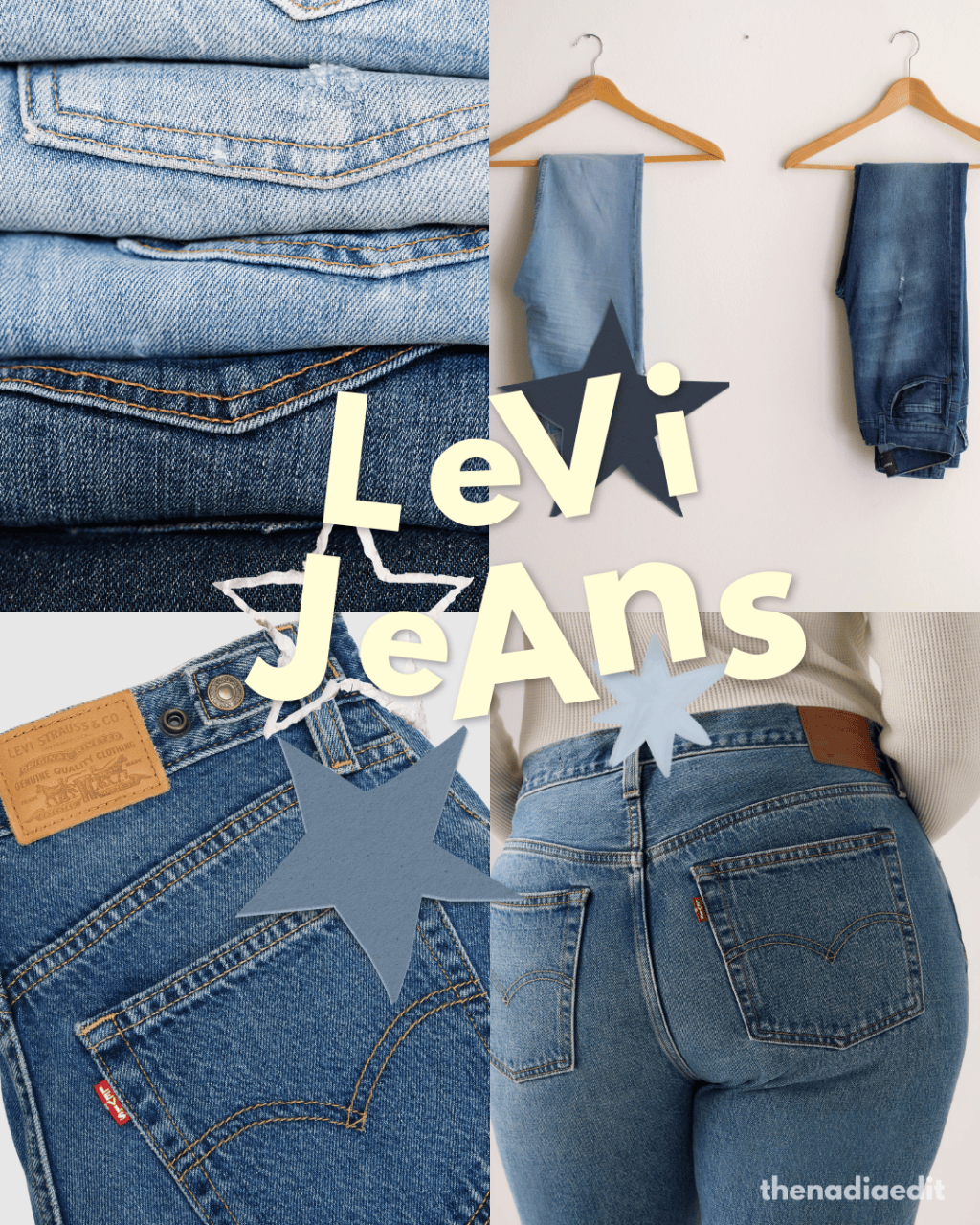
[Low-rise denim back in style]

Image source: Photograph by Nadia Doiron, 2026.

Walk into almost any fashion retailer today and you will probably recognize something that feels strangely familiar. Low-rise jeans, baby tees, oversized sunglasses, mini skirts, platform shoes, shoulder bags, and tracksuits have all made their way back into the fashion conversation. What once looked outdated has become desirable again.

This raises an interesting question for the fashion industry: Why do consumers continue to look to the past for inspiration?

Fashion is constantly changing, but it rarely forgets where it came from. Trends from previous decades are repeatedly reinterpreted for new generations, creating a cycle in which yesterday’s styles can become tomorrow’s trends.

The Past Becomes New Again

Chapter 1 of The Dynamics of Fashion explores the evolution of fashion throughout history and demonstrates that fashion does not develop in a straight line. Styles change, disappear, and often return in new forms.

The resurgence of Y2K fashion is a clear example. Styles associated with the late 1990s and early 2000s have become popular again, particularly among younger consumers who did not necessarily experience the original trend firsthand.

What makes this especially interesting is that today’s consumers are not simply wearing the past exactly as it existed. Instead, designers, brands, influencers, and consumers are reinterpreting historical fashion through a contemporary perspective.

A low-rise jean from the early 2000s may return with a different silhouette. A vintage-inspired handbag may be paired with modern clothing. A style associated with a particular decade may be combined with current trends.

The result is not a copy of the past. It is a new interpretation of it.

Why Nostalgia Sells

Fashion is closely connected to emotion and identity. Clothing can remind consumers of a particular time, place, person, or cultural moment.

For consumers who experienced the original Y2K era, these trends can create nostalgia. For younger consumers, the appeal may come from discovering an era they associate with celebrities, movies, music, television, and social media.

This creates an important opportunity for fashion marketers.

Nostalgia allows brands to sell more than a product. They can sell an experience, identity, or feeling associated with the past.

The resurgence of historical trends also demonstrates the influence of media on fashion. Images from previous decades are constantly being circulated through TikTok, Instagram, Pinterest, movies, television, and celebrity culture. As these images reach new audiences, they can be transformed into sources of contemporary fashion inspiration.

From Historical Inspiration to Modern Fashion

For designers, looking toward the past provides an extensive creative archive.

Fashion history offers designers decades of:

  • silhouettes
  • fabrics
  • colors
  • patterns
  • accessories
  • cultural influences
  • construction techniques
  • celebrity references
  • subcultures

Rather than starting with a completely blank canvas, designers can reinterpret these elements for a contemporary consumer.

This is why fashion history remains commercially relevant. Understanding the past can help fashion professionals recognize which elements may have the potential to resonate with consumers again.

However, successful revival requires more than simply bringing an old trend back.

The fashion industry must consider why consumers are interested in that particular era now. Cultural moments, economic conditions, social media, celebrity influence, and consumer attitudes can all affect which historical styles become relevant.

What This Means for Fashion Executives

The return of older trends is more than a creative phenomenon. It presents an important marketing opportunity.

For fashion executives, understanding the relationship between fashion history, nostalgia, and consumer behavior can help inform product development, branding, merchandising, and marketing strategies.

A successful revival can make a product feel both familiar and new. Consumers recognize something from the past while still seeing themselves in its modern interpretation.

The challenge is finding that balance.

If a brand reproduces the past too literally, the product can feel outdated. If it changes the original concept too dramatically, consumers may lose the nostalgic connection that made the trend appealing in the first place.

The strongest fashion revivals often exist somewhere in between: familiar enough to trigger recognition, but contemporary enough to feel relevant.

My Fashion Inspiration

The item I photographed represents this idea because it reminds me that fashion inspiration does not have to come from something happening right now.

Looking through my own closet, I can see how pieces inspired by previous decades continue to influence what I consider fashionable today. Something that once belonged to another generation can suddenly feel current again.

That realization has changed the way I look at fashion. Instead of seeing older clothing as simply outdated, I see it as part of a larger fashion cycle.

The past is not necessarily gone. It is often waiting to be interpreted again.

Talking Points

  • Fashion trends are cyclical rather than completely linear.
  • Chapter 1 demonstrates how fashion has continuously evolved while also revisiting historical styles.
  • Y2K fashion is a contemporary example of historical fashion being reintroduced to a new generation.
  • Consumers can be attracted to historical fashion because of nostalgia, identity, and emotional associations.
  • Social media has accelerated the rediscovery and circulation of past fashion trends.
  • Designers can use historical fashion as a source of inspiration while adapting it to contemporary consumers.
  • Fashion executives can use nostalgia strategically in product development, branding, and marketing.
  • Successful fashion revivals balance familiarity with modern relevance.
  • Fashion history is therefore not simply a record of what people used to wear; it can also provide insight into what consumers may want next.

Sources:

Jannine D. Lasaleta and Katherine E. Loveland (2019). What’s New Is Old Again: Nostalgia and Retro-Styling in Response to Authenticity Threats. University of Chicago Press. Retrieved September 4th 2026. https://www.journals.uchicago.edu/doi/abs/10.1086/702473?utm_source=chatgpt.com#supplementary-materials