From mornings with my mom to the Property Brothers’ product empire, HGTV did more than entertain us. It taught us how to see, style, and shop for home.
By Nadia Doiron | The Nadia Edit
Most mornings growing up, HGTV was playing while my mom and I started our day. It was the kind of television we could watch together without needing to agree on every detail. We could admire a finished kitchen, question a designer’s paint choice, or wait for the homeowners to cry during the reveal. Of all the shows, Property Brothers became one of our favorites. Drew Scott could see the potential in a listing that looked completely unlivable, while Jonathan Scott somehow turned demolition, construction, and decorating into a satisfying transformation before the episode ended.
At the time, I thought we were simply watching houses become prettier. Looking back, HGTV was also teaching us a visual language. We learned that walls could be “opened up,” kitchens could feel “dated,” and one carefully styled room could change the way an entire home was perceived. The network made home design feel understandable, emotional, and—most importantly—possible.
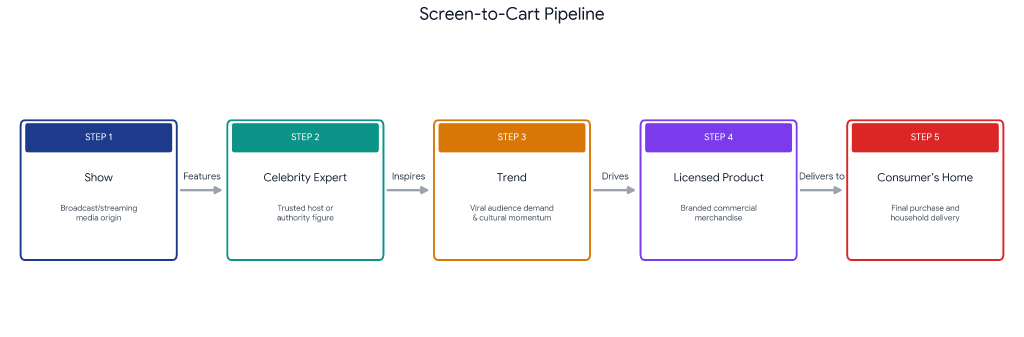
That personal memory reveals HGTV’s larger business achievement. The network did not just make renovation entertaining. It turned the home into a fashion system. Rooms became outfits, hosts became stylists, and each reveal introduced a new version of what consumers were supposed to want. HGTV then extended that desire beyond the television through magazines, social media, streaming, celebrity brands, and licensed home products. The screen did not only show the trend. It created the trust that helped sell it.
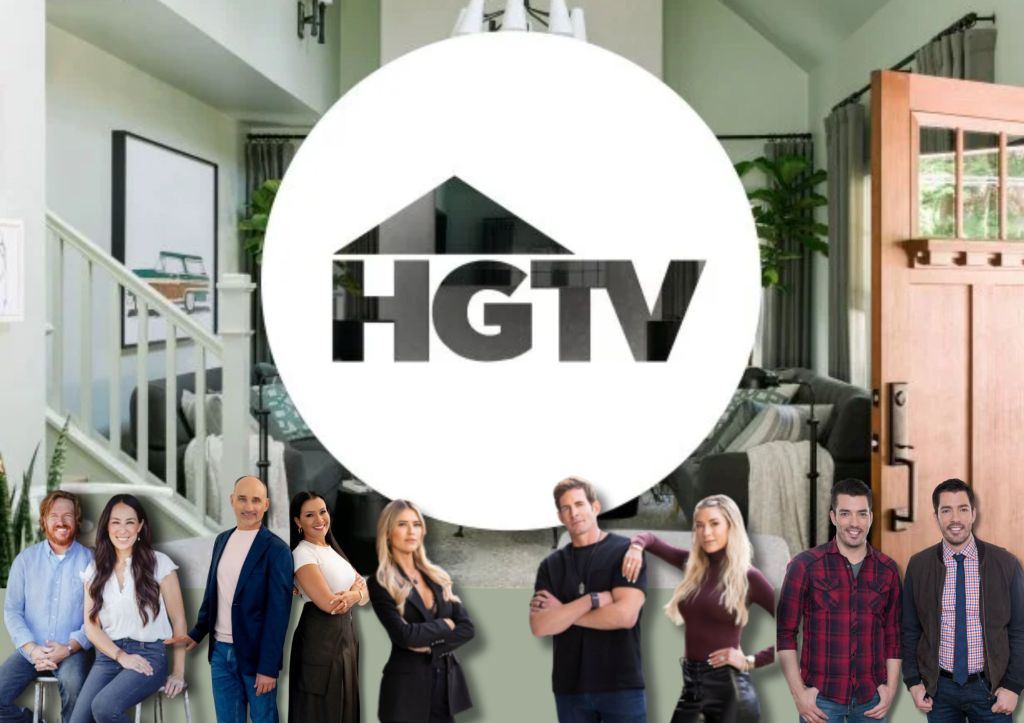
HGTV Turned the Home Into a Fashion Statement
Home fashion and apparel fashion operate in surprisingly similar ways. Both use color, proportion, texture, silhouette, and personal identity. A floral duvet can refresh a bedroom the way a printed dress refreshes a wardrobe. A curved sofa can make a living room feel current just as a new handbag shape can redefine an outfit. Trends cycle through both industries: bold color replaces minimalism, vintage returns after modernism, and consumers are encouraged to update familiar spaces with the season.
HGTV made those similarities visible. Its makeover format presents the existing home as an outdated “before” and the renovated home as a fashionable “after.” The reveal works like a runway finale: lighting, styling, music, and reaction shots tell the audience that the new look represents progress.
Academic research has examined this power. In Deborah Philips’s study of television interior makeovers, television designers function as tastemakers whose expertise determines which spaces appear stylish and which appear incorrect. Samuel Dodd similarly argues in Learning from HGTV that the network became an influential design brand by connecting television with magazines, products, model homes, and digital media.
This means HGTV does more than report home trends. Through repetition and expert approval, it helps establish them. Once enough programs describe a closed kitchen as cramped or a neutral palette as timeless, those preferences can begin to feel like objective design rules instead of temporary cultural tastes.
Why the Property Brothers Felt Like People We Could Trust
My connection to Property Brothers was not only about the renovations. Drew and Jonathan made the process feel personal. Their sibling banter kept the show light, while their separate roles gave the audience two forms of authority: Drew interpreted the real-estate market, and Jonathan translated possibility into design.
The original Property Brothers format asks buyers to look past unattractive finishes and imagine what a house could become. That premise is emotionally effective because it places the viewer inside the decision. We begin choosing between the properties, questioning the budget, and predicting how the layout will change. By the reveal, we are invested in a home we will never enter.
The brothers’ longevity also demonstrates the commercial value of celebrity expertise. Their HGTV identities have expanded across multiple programs, including Forever Home, Brother vs. Brother, Celebrity IOU, and the 2026 series Property Brothers: Under Pressure. Viewers are not only returning for a renovation formula. They are returning for familiar personalities whose advice feels earned over time.
This is important for home-fashion executives because trust reduces the distance between entertainment and shopping. If viewers believe a host understands real families, budgets, and design problems, that credibility can follow the personality into retail. The Scott Living home collection now extends the brothers’ aesthetic into furniture, mattresses, rugs, wallpaper, textiles, and décor. The celebrity is no longer simply endorsing a product; the product promises to bring a piece of the television experience into the consumer’s home.
The Before-and-After Reveal Sells More Than Décor
The most recognizable HGTV storytelling device is the before-and-after transformation. It compresses months of planning, purchasing, construction, and conflict into a clean emotional arc. A dated home becomes current; a stressed family becomes relieved; a difficult property becomes a dream home.
That structure makes renovation easy to understand, but it can also make design feel deceptively simple. Costs may be summarized rather than fully explained. Labor appears in short montages. Delays become manageable plot points, and carefully staged rooms look complete the moment the homeowners walk through the door. The audience sees the emotional reward more clearly than the long-term financial, maintenance, or construction realities.
Buck Clifford Rosenberg’s research on property and home-makeover television connects these shows to ideas about risk, thrift, taste, and the property market. Renovation is presented not only as self-expression but also as responsible improvement and potential investment. A stylish kitchen is therefore framed as both emotionally fulfilling and financially smart.
This combination is persuasive. Buying a new sofa or repainting a room can feel less like consumption and more like self-improvement. HGTV gives the purchase a story: the consumer is not simply following a trend; she is revealing her home’s hidden potential.
Does HGTV Democratize Design—or Standardize It?
One reason I still appreciate HGTV is that it made design feel accessible. My mom and I did not need professional training to discuss a layout or recognize how lighting changed a room. The programs gave ordinary viewers useful vocabulary and confidence. They encouraged audiences to imagine a home as something that could evolve rather than remain fixed.
However, access and originality are not always the same. When the same finishes appear repeatedly—white kitchens, open shelving, large islands, neutral walls, modern farmhouse accents, or open floor plans—the makeover can begin to resemble a uniform. These ideas are not automatically bad, but television repetition can make them appear universally desirable.
This is the critical tension at the center of HGTV’s influence. The network tells consumers that a home should express their individuality, while the format often provides a limited set of visual answers. Anna Everett’s analysis of transformation television on HGTV and TLC shows how makeover programming connects private domestic life with public media narratives about identity, class, gender, and taste.
A home is never only aesthetic. It reflects who has space, who owns property, who can afford renovation, and which lifestyles television considers aspirational. For executives and content creators, the opportunity is to move beyond one “correct” reveal. More varied budgets, rental-friendly design, multigenerational households, regional styles, accessibility needs, and culturally specific interiors would make home-fashion storytelling more representative and creatively valuable.
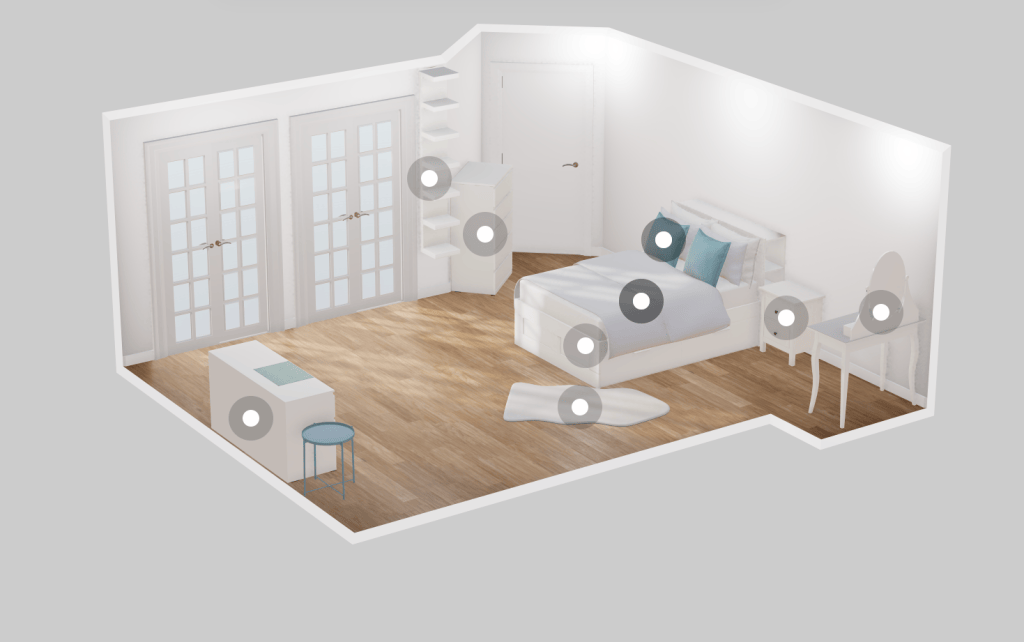
IKEA’s Design Your Own Room program on their website, simple design I made using their program: IKEA Online Design Program
Licensing Turns Inspiration Into Something Shoppable
HGTV’s influence becomes clearest when entertainment moves directly into retail. The network describes its HGTV Home Collection as a group of licensed, style-forward products created with home and lifestyle partners. Its brand now reaches beyond programs into paint, rugs, plants, flowers, publishing, streaming, and digital shopping content.
The HGTV Home by Sherwin-Williams collections are a strong licensing example because they reduce a difficult design decision into a trusted system. Coordinated palettes promise consumers that colors will work together, transferring HGTV’s expert identity to the paint aisle.
In 2026, Sherwin-Williams and HGTV Home jointly selected Celery as their 2027 Color of the Year. The muted green was positioned around comfort, connection, nature, and balance. This language shows how color forecasting sells more than pigment. It sells a feeling consumers may want their homes—and lives—to represent.
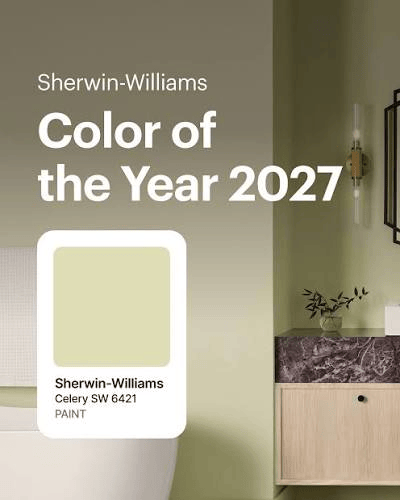
Licensing works here because HGTV has already built emotional familiarity. A shopper may not know the individual designers behind every paint color, but she recognizes the HGTV name from years of reveals, expert advice, and family viewing. The licensed label turns accumulated media trust into a retail shortcut.
From Fixer Upper to Target: Bringing the Look Home
Fixer Upper offers another clear example of television influence becoming a retail business. Chip and Joanna Gaines built Magnolia around a recognizable version of modern farmhouse style: neutral colors, natural textures, vintage references, clean lines, and an emphasis on gathering at home. Viewers who connected with that aesthetic no longer had to renovate a house in Waco or shop at Magnolia Market to participate in it.
In 2017, Target introduced Hearth & Hand with Magnolia as an exclusive partnership. The collection translated the Gaineses’ television identity into affordable, mass-market products. Target’s current Hearth & Hand with Magnolia assortment spans home décor, kitchen and dining, lighting, furniture, bedding, bath, storage, nursery items, and seasonal collections.
This is celebrity licensing at its most effective: shoppers are not simply buying a vase, lamp, or serving bowl. They are buying access to a familiar design story. The partnership makes a designer look more attainable, but it also shows how quickly one television aesthetic can spread through thousands of homes. What begins as personal style on screen can become a recognizable retail uniform.
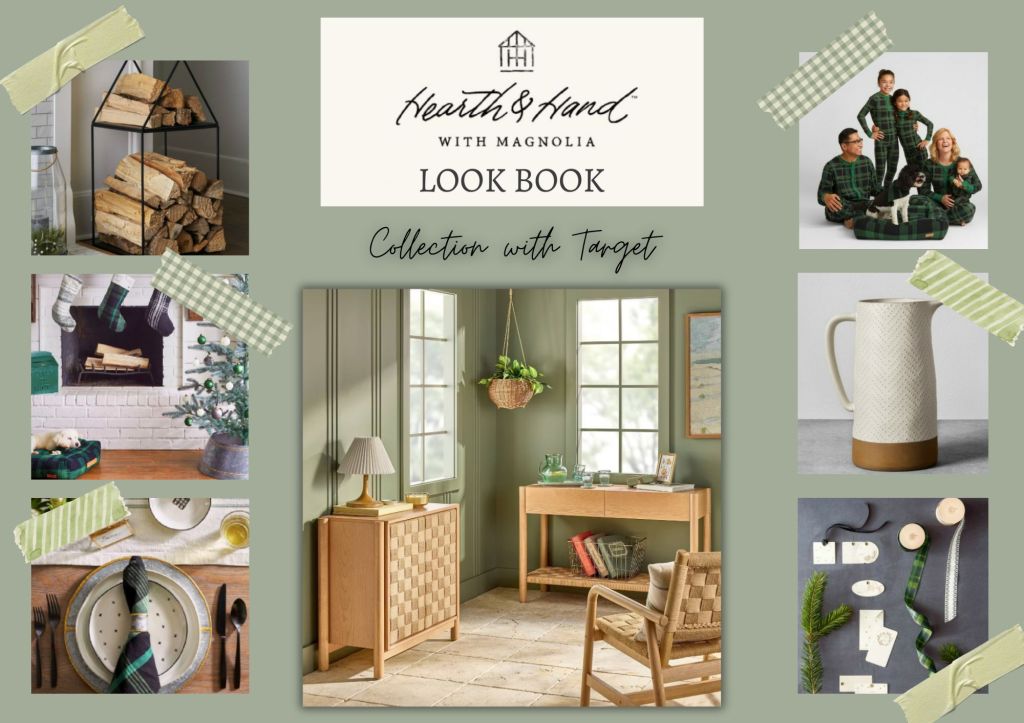
New Hearth & Hand Holiday Collection Facebook Announcement from Joanna made by TheNadiaEdit
What Home-Fashion Brands Can Learn From HGTV
HGTV’s model offers several lessons for fashion, furniture, décor, and lifestyle executives:
- Lead with a human problem. Consumers connect more strongly to a difficult room, growing family, limited budget, or meaningful memory than to a product alone.
- Make expertise understandable. Drew and Jonathan succeed because specialized real-estate and renovation knowledge becomes clear, visual, and entertaining.
- Create continuity across platforms. HGTV moves between television, streaming, articles, social clips, magazines, and retail without losing its central promise of inspiration.
- Use licensing to extend trust—not dilute it. A licensed product should deliver the quality, usefulness, and style that audiences associate with the media brand.
- Offer consumers room for individuality. Trend guidance should inspire decisions rather than make every home look like the same reveal.
The most valuable lesson is that content does not sit above commerce; it gives commerce meaning. A paint color becomes more desirable when it belongs to a transformation story. A celebrity collection becomes more credible when viewers have watched the designer solve problems for years.
Home Design Is Now a Form of Entertainment—and Identity
Today, HGTV is no longer confined to the television my mom and I watched in the morning. According to the network’s official history and platform overview, it now operates across HGTV.com, social media, HGTV Magazine, Max, discovery+, and branded products. The home reveal has also become native to TikTok, Instagram Reels, Pinterest, and YouTube, where a room can transform in seconds.
Yet the emotional appeal remains the same. People watch because a home makeover offers controlled optimism: a difficult space can be understood, a problem can be solved, and ordinary life can look different by the end.
That is what stays with me from watching Property Brothers with my mom. We were not planning to buy every house or copy every room. We were participating in the possibility of transformation together. HGTV made design feel like a conversation we could share.
For home-fashion leaders, that connection is the real business model. Trends will change, celebrity collections will expand, and platforms will evolve. The brands that last will be the ones that make consumers feel seen before asking them to shop.
References
Dodd, S. (2016). Learning from HGTV: Media convergence and design branding in America. Design Issues, 32(2), 53–63. https://doi.org/10.1162/DESI_a_00382
Drew & Jonathan. (n.d.). Scott Living by Drew & Jonathan. https://www.drewandjonathan.com/scott-living/
Everett, A. (2004). Trading private and public spaces @ HGTV and TLC: On new genre formations in transformation TV. Journal of Visual Culture, 3(2), 157–181. https://doi.org/10.1177/1470412904044798
HGTV. (n.d.). About HGTV. https://www.hgtv.com/about-us
HGTV. (n.d.). HGTV Home Collection. https://www.hgtv.com/shopping/hgtv-home-collection
HGTV. (n.d.). Property Brothers. https://www.hgtv.com/shows/property-brothers
Philips, D. (2005). Transformation scenes: The television interior makeover. International Journal of Cultural Studies, 8(2), 213–229. https://doi.org/10.1177/1367877905052418
Rosenberg, B. C. (2008). Property and home-makeover television: Risk, thrift and taste. Continuum: Journal of Media & Cultural Studies, 22(4), 505–513. https://doi.org/10.1080/10304310802189980
Sherwin-Williams. (2026, September 15). Sherwin-Williams and HGTV Home by Sherwin-Williams unite to name Celery as their 2027 Color of the Year. https://www.prnewswire.com/news-releases/sherwin-williams-and-hgtv-home-by-sherwin-williams-unite-to-name-celery-as-their-2027-color-of-the-year-302878273.html
Warner Bros. Discovery. (2026, February 4). Drew and Jonathan Scott help wary buyers find the right home in new HGTV series Property Brothers: Under Pressure. https://press.wbd.com/us/media-release/drew-and-jonathan-scott-help-wary-buyers-find-right-home-new-hgtv-series-property?language_content_entity=en

Ghana Is Paying the Price for Fashion’s Castoffs
Inside Ghana’s Kantamanto Market, secondhand fashion creates jobs and extends clothing life—but low-quality imports leave traders and communities carrying fashion’s waste. By Nadia Doiron | The Nadia Edit Kantamanto is both a major reuse economy and a frontline of the global fashion-waste crisis. Photograph from Atmos We tend to imagine donating clothes as a clean…


Apple Watch Bands Mean Fashion
How interchangeable bands transformed one piece of wearable technology into a wardrobe of fashion accessories—and what brands should learn from it. By Nadia Doiron | The Nadia Edit All Different Kinds of Apple Watches image from apple.com When most consumers think about the Apple Watch, fitness tracking, notifications, and health features probably come to mind…
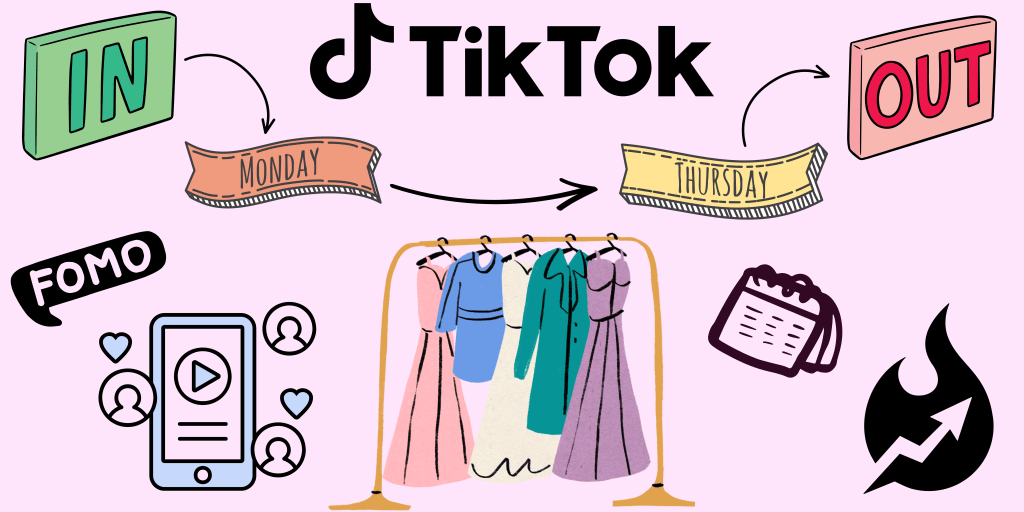
Too Many Trends, Not Enough Time: How TikTok Is Rewriting Teen Fashion
For teen consumers, microtrends can offer creativity, community, and affordable self-expression. This offers real-time demand signals and faster sales. But when a trend can disappear before an order arrives, both groups have to ask whether the algorithm is serving personal style—or replacing it. One week, TikTok declares that everyone needs a leopard-print coat. The next,…





Leave a Reply